
Unlocking Kindergarten Readiness at Cayleaf Learning Center

Preparing children for kindergarten is a pivotal step in their educational journey. At Cayleaf Learning Center, we understand that kindergarten readiness goes beyond just knowing the alphabet or counting to ten. It encompasses a range of skills that help children thrive in a structured learning environment. In this blog post, we will explore the essential components of kindergarten readiness, practical strategies for parents, and how Cayleaf Learning Center supports families in this important transition.

Understanding Kindergarten Readiness
Kindergarten readiness is a multifaceted concept that includes social, emotional, physical, and cognitive development. It is crucial for children to develop a well-rounded skill set to ensure a smooth transition into formal education. Here are the key areas of focus:
Social Skills
Social skills are vital for children as they prepare to interact with peers and teachers. These skills include:
Sharing and Turn-Taking: Learning to share toys and take turns during playtime fosters cooperation and patience.
Listening and Following Directions: Being able to listen attentively and follow instructions is essential for classroom success.
Conflict Resolution: Children should learn how to resolve disagreements with peers in a constructive manner.
Emotional Development
Emotional readiness is equally important. Children should be able to:
Express Their Feelings: Encouraging children to articulate their emotions helps them understand themselves and others.
Manage Anxiety: Developing coping strategies for anxiety can ease the transition into a new environment.
Build Self-Esteem: Positive reinforcement and encouragement can help children feel confident in their abilities.
Physical Skills
Physical readiness involves both fine and gross motor skills. Children should be able to:
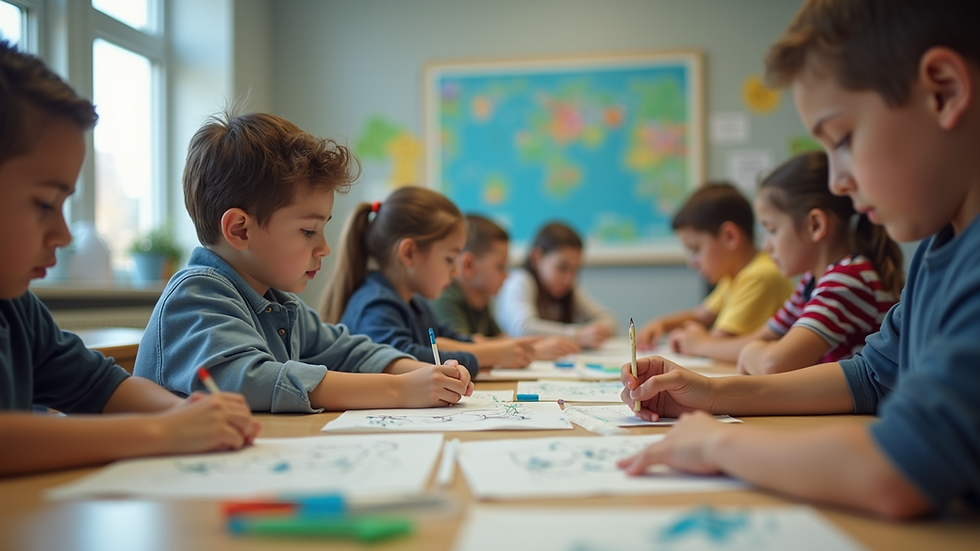
Hold a Pencil: Developing the ability to grip a pencil correctly is crucial for writing.
Cut with Scissors: Mastering the use of scissors enhances fine motor skills.
Participate in Physical Activities: Engaging in activities like running, jumping, and climbing helps develop gross motor skills.
Cognitive Skills
Cognitive readiness includes foundational skills that prepare children for academic learning. These skills encompass:
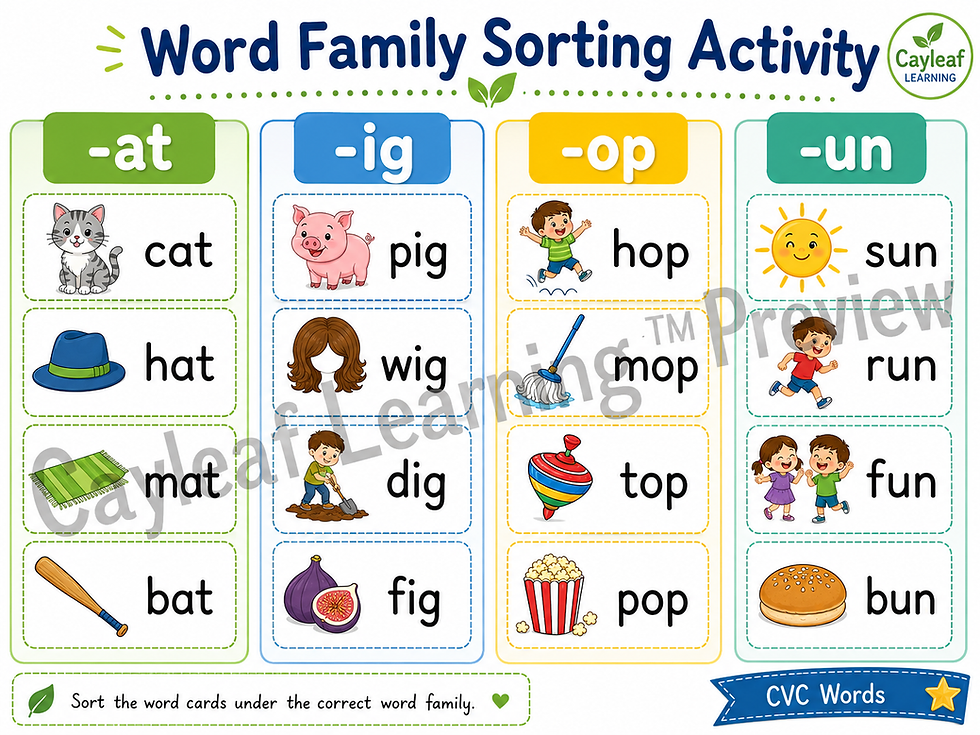
Basic Literacy: Recognizing letters, understanding sounds, and beginning to read simple words.
Numeracy Skills: Counting, recognizing numbers, and understanding basic math concepts.
Problem-Solving: Encouraging critical thinking and the ability to solve simple problems.
Practical Strategies for Parents
As parents, you play a crucial role in preparing your child for kindergarten. Here are some practical strategies to support your child's readiness:
Create a Structured Routine
Establishing a daily routine helps children understand expectations and develop a sense of security. Consider the following:
Consistent Wake-Up and Bedtime: A regular sleep schedule promotes better focus and behavior.
Designated Learning Time: Set aside time each day for educational activities, such as reading or practicing math skills.
Engage in Play-Based Learning
Play is a powerful tool for learning. Encourage your child to engage in activities that promote skill development, such as:
Building Blocks: This activity enhances spatial awareness and fine motor skills.
Role-Playing: Pretend play fosters creativity and social skills.
Arts and Crafts: Creative projects develop fine motor skills and self-expression.
Read Together Daily
Reading is fundamental to literacy development. Make reading a daily habit by:
Choosing a Variety of Books: Explore different genres and topics to keep your child engaged.
Asking Questions: Encourage comprehension by asking open-ended questions about the story.
Making it Interactive: Use props or act out stories to make reading more engaging.
Foster Independence
Encouraging independence helps children feel more confident in their abilities. You can promote independence by:
Allowing Choices: Let your child choose their clothes or snacks to foster decision-making skills.
Encouraging Self-Care: Teach your child to dress themselves and practice personal hygiene.
How Cayleaf Learning Center Supports Families
At Cayleaf Learning Center, we are committed to supporting families in their journey toward kindergarten readiness. Our programs are designed to nurture the whole child, focusing on social, emotional, physical, and cognitive development. Here’s how we help:
Experienced Educators
Our dedicated team of educators is trained to recognize the unique needs of each child. They provide personalized support to help children develop essential skills in a nurturing environment.
Engaging Curriculum
We offer a well-rounded curriculum that incorporates play-based learning, hands-on activities, and structured lessons. Our curriculum is designed to:
Promote Critical Thinking: Activities that challenge children to think creatively and solve problems.
Encourage Collaboration: Group projects that foster teamwork and communication skills.
Support Individual Growth: Tailored learning experiences that cater to each child's developmental stage.
Parent Involvement
We believe that parents are partners in the learning process. Cayleaf Learning Center encourages parent involvement through:
Workshops and Seminars: Educational sessions that provide parents with tools and strategies to support their child's development.
Regular Communication: Open lines of communication between parents and educators to discuss progress and address concerns.
Family Events: Opportunities for families to engage in learning activities together, strengthening the home-school connection.
Building a Strong Foundation for Future Learning
The skills children develop in their early years lay the groundwork for future academic success. By focusing on kindergarten readiness, parents and educators can work together to ensure children are prepared for the challenges ahead. Here are some key takeaways:
Holistic Development: Emphasizing social, emotional, physical, and cognitive skills is essential for well-rounded readiness.
Engagement and Interaction: Play-based learning and interactive activities foster a love for learning.
Collaboration with Educators: Partnering with educators at Cayleaf Learning Center provides families with valuable resources and support.
Conclusion
Unlocking kindergarten readiness is a collaborative effort that requires the commitment of both parents and educators. At Cayleaf Learning Center, we are dedicated to providing a nurturing environment where children can thrive. By focusing on the essential components of readiness and implementing practical strategies at home, families can help their children embark on a successful educational journey.
As you prepare your child for kindergarten, remember that every small step counts. Engage with your child, foster their independence, and create a supportive learning environment. Together, we can unlock the doors to a bright future for our children.
Comments